Highball recipe
Gin and Tonic
Gin and Tonic is simple until it is not: cold glass, fresh ice, chilled tonic, one gentle lift, and a ratio that lets the gin stay visible.
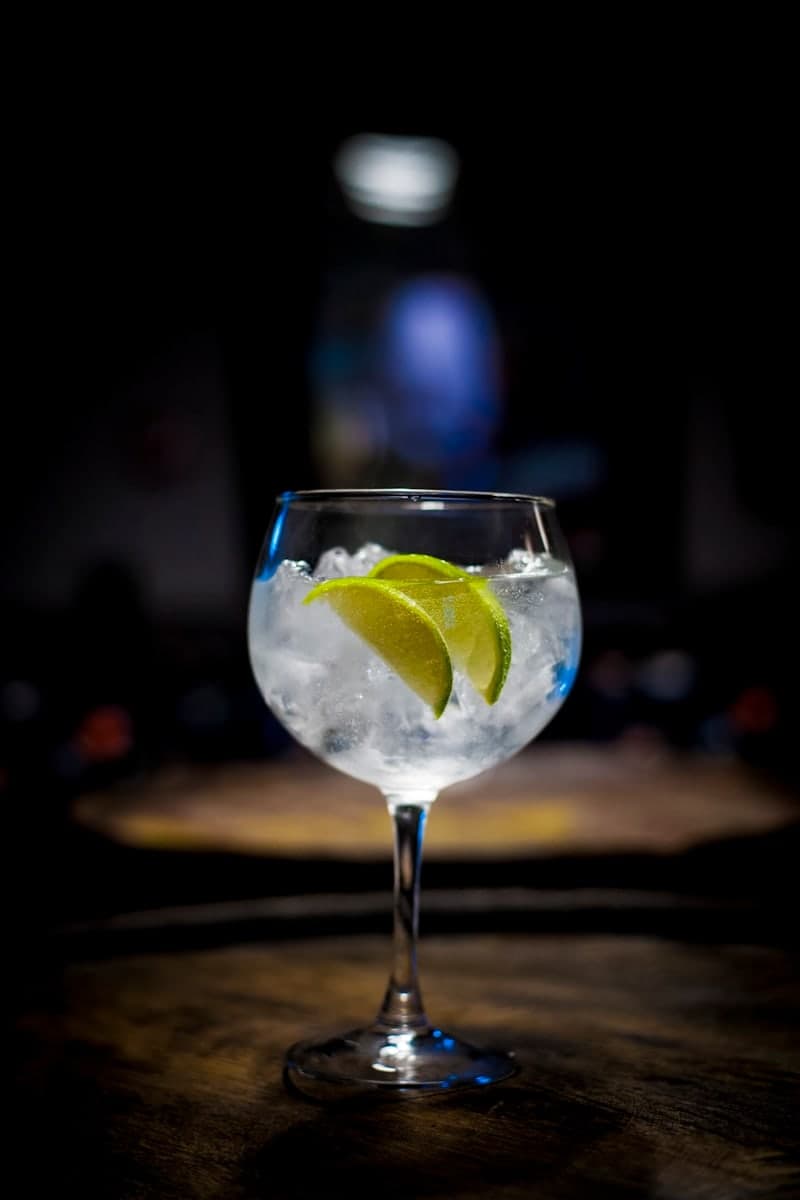
Recipe tools
The build
Chill the glass and tonic
Chill a highball or balloon glass, and keep the tonic water refrigerated until service.
Fill completely with fresh ice
Fill the glass completely with fresh hard ice.
Add the gin
Add gin over the ice.
Top slowly with cold tonic
Top slowly with chilled tonic water so the carbonation stays lively.
slow pour
Lift once and garnish
Give the drink one gentle lift with a bar spoon, garnish, and serve immediately.
one lift
Cold glass, cold tonic, fresh ice, and a gentle build are the recipe. Once the tonic is in, stop stirring so the carbonation survives.
Why this spec
A Gin and Tonic is one of the easiest cocktails to make and one of the easiest to make carelessly. There are only a few ingredients, so every handling choice shows up in the glass. A good version is cold, bright, gently bitter, and aromatic, with gin still present after the tonic lengthens it. A careless version is warm, watery, and sweet, even when the ingredient list looks almost identical.
The house spec starts with a simple ratio: two ounces of gin to four ounces of chilled tonic water. That makes a classic gin highball with enough length to refresh without burying the base spirit. If the moment wants a softer drink, add up to one more ounce of tonic after the first build. Starting at four ounces keeps the recipe repeatable and gives the garnish, ice, and gin a clear baseline.
Cold service is the practical center of this drink. A cold glass helps, cold tonic is required, and fresh hard ice does more work than most people expect. If the tonic starts warm, the bubbles fade faster and the quinine bitterness can read syrupy. If the glass is under-iced, the drink warms and dilutes before it ever feels properly brisk. The Gin and Tonic should be cold before it is strong, and lively before it is decorative.
Gin choice shapes the profile without needing a bottle ranking. A juniper-led gin makes the drink crisp and familiar. A citrus-forward gin can make the lime or grapefruit garnish feel natural. A softer floral gin can work when the tonic is dry enough to leave room for it. The useful test is whether the gin still tastes like itself after tonic, ice, and garnish arrive.
Tonic water is not just filler. It brings bitterness, sweetness, bubbles, and length, which means it can make the drink elegant or heavy. Keep it refrigerated until the build starts, open it close to service, and pour it gently down the side of the glass or over the ice. The recipe does not need a tonic brand claim to work. It needs tonic that is cold, lively, and balanced enough to support the gin instead of covering it.
The bottle and the rest
Ice is the quiet ingredient that decides the pace of the highball. Fill the glass completely with fresh hard ice before adding the gin. A full glass looks like too much ice only until you taste the drink five minutes later. More cold surface keeps the highball colder, slows dilution, and helps the tonic stay sharp. A half-filled glass melts quickly and makes the last third taste loose.
The build should be gentle. Add gin first, top slowly with chilled tonic, then give the drink one lift with a bar spoon. That lift brings the gin up through the tonic without spending all the carbonation. A long circular stir is the wrong move because it knocks out bubbles and makes the drink taste tired. Once the tonic is in, every extra motion costs texture.
Garnish should support the gin rather than compete with it. Lime gives a clean acid snap and is the default for a crisp, juniper-forward glass. Grapefruit peel adds aromatic oil and a softer citrus edge when the gin leans citrusy or floral. Use one clear garnish direction, not a pile of herbs, wheels, berries, and peel. The drink should smell intentional before it tastes busy.
Glassware changes the way the drink presents itself. A highball glass keeps the Gin and Tonic direct, narrow, and cold in the hand. A balloon glass gives more aromatic room and makes the garnish more expressive, especially with a wide peel. Either works as long as it is cold, full of ice, and not so oversized that the drink looks lost. The vessel should protect temperature first.
Variation can stay simple. Move toward five ounces of tonic for a longer lower-intensity highball. Use grapefruit peel instead of lime when the gin wants softer citrus oil. Add cucumber only when the gin already points that way, and keep it restrained. A splash of fresh citrus juice turns the drink toward a different kind of gin sour highball, so treat juice as a variation, not the default recipe.
The Gin and Tonic fits food because it is dry, cold, bitter, and sparkling. It works beside salty snacks, fried bites, seafood, herb-led salads, grilled vegetables, and simple bar food that benefits from a bright reset. The drink should refresh without feeling sugary. If it starts tasting like sweet soda with gin in the background, check tonic sweetness, ice volume, and the ratio before changing the spirit.
When the glass tastes flat, diagnose temperature and handling first. Was the tonic cold? Was it opened close to service? Was the glass full of fresh ice? Did the drink get one gentle lift instead of a full stir? Small details decide this cocktail because the recipe is so spare. With cold glass, cold tonic, fresh ice, gentle build, and carbonation preserved, the Gin and Tonic becomes exactly what a classic highball should be: clean, brisk, aromatic, and gone before it has a chance to fade.
Take it somewhere
Grapefruit
Citrus oilUse grapefruit peel when the gin has bright citrus or floral notes and the tonic is dry enough to leave room.
Lime
Classic snapLime works best with juniper-forward gin and a cold, crisp tonic.
Balloon glass
More aromaUse a balloon glass with plenty of ice when you want the garnish and botanicals to open up.
Longer serve
More tonicMove toward five ounces of tonic for a softer highball after tasting the four-ounce baseline.
Where it goes wrong
Warm tonic
Warm tonic tastes flat and sweet before the drink is halfway built.
Too little ice
A half-filled glass melts fast and never gets properly cold. Fill it completely with fresh hard ice.
Over-stirring
A long stir spends carbonation. Top slowly, lift once, and leave the highball alone.
Over-garnishing
The garnish should support the gin, not turn the glass into a salad.
Questions, answered
What is the best ratio?
Start with 2 oz gin to 4 oz tonic. Add a little more tonic only when you want a longer drink.
Highball or balloon glass?
Both work. A highball is direct; a balloon glass gives more aromatic room.
Should I stir it?
Give it one gentle lift. A long stir knocks out carbonation.
How do I keep it fizzy?
Use chilled tonic, fresh hard ice, a cold glass when possible, a slow top, and only one gentle lift after topping.
Cold, bitter, bright
A Gin and Tonic is a small discipline in cold service. When the glass is full of ice and the tonic is alive, the simplest drink on the page earns its place. Keep the gin path open with the Martini, the Negroni, or the wider gin cocktail guide.