Sparkling cocktail recipe
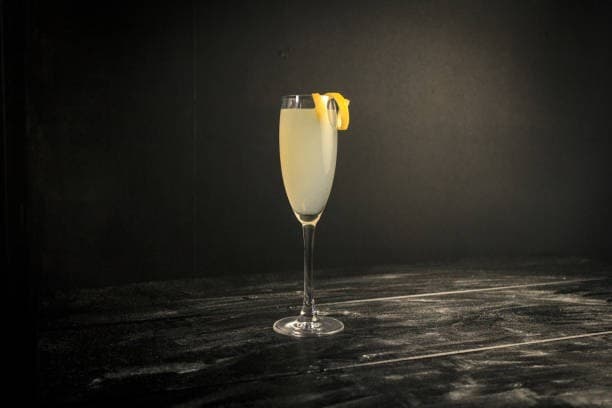
French 75
The French 75 is a gin sparkling cocktail with a shaken sour base, a cold sparkling top, and no patience for warm glassware or rough handling.
Recipe tools
The build
Chill the glass and wine
Chill a flute or small coupe, and keep the sparkling wine refrigerated until the moment you top the drink.
Measure the sour base
Add gin, fresh lemon juice, and simple syrup to a shaker.
Shake the base only
Fill the shaker with hard cold ice and shake the base only until very cold.
10-12 sec
Fine strain into the flute
Fine strain into the chilled glass.
Top gently with bubbles
Top slowly with chilled sparkling wine so the bubbles stay lively.
gentle top
Garnish and serve cold
Garnish with a lemon twist and serve immediately while cold.
Shake only the gin, lemon, and syrup. The sparkling wine goes in last, cold and gentle, so the bubbles survive the first sip.
Why this spec
A French 75 is a gin sparkling cocktail with more structure than its light color suggests. The glass combines a small gin sour with chilled sparkling wine, so the drink has lemon snap, measured sweetness, botanical lift, and bubbles in the same sip. It should feel brisk and elegant without becoming thin, sweet, or flat.
The Bar Guru spec starts with one ounce of gin, half an ounce of fresh lemon juice, half an ounce of simple syrup, and three ounces of chilled Champagne or dry sparkling wine. That ratio keeps the base compact enough for the bubbles to lengthen it without burying the gin. The result is closer to a sparkling sour than a sweet brunch flute.
Gin is the supported primary spirit for this route because its botanicals give the drink shape after the wine arrives. A clean London dry style keeps the glass crisp, while a citrus-forward gin can make the lemon twist feel especially natural. The useful test is simple: the gin should still be readable after lemon, sugar, cold, and carbonation join it.
Fresh lemon juice is non-negotiable. The drink depends on bright acid to keep the sparkling wine from tasting soft and the syrup from turning the finish sticky. Bottled lemon juice brings dullness and bitterness that show up quickly because there are so few ingredients. Squeeze close to service, measure cleanly, and let the lemon do the sharpening.
Simple syrup should be standard 1:1 syrup and should stay measured. Half an ounce is enough to round the lemon and help the bubbles feel polished. If the sparkling wine is especially soft or fruity, reduce the syrup slightly after making the baseline once. If the drink tastes harsh, check the lemon and shake before adding more sugar.
The bottle and the rest
Cold service is the center of the recipe. Chill the glass if time allows, keep the sparkling wine in the refrigerator, and use hard cold ice for the shake. The finished drink is served without ice, so the glass, the shake, and the wine temperature have to carry the first several minutes. A warm French 75 tastes sweeter, flatter, and heavier than the spec intends.
The method matters because carbonation is fragile. Shake only the gin, lemon, and simple syrup. Do not shake the sparkling wine. Shaking the base gives the sour portion cold, dilution, and texture, while adding the wine afterward preserves the bubbles that make the drink feel lifted. Once the top is in, the drink needs gentleness, not more mixing.
Top slowly and serve immediately. Pouring the sparkling wine down the side of the glass or over the back of a spoon is less important than moving calmly and keeping everything cold. If the top foams hard, pause and let it settle before finishing the pour. The goal is integration without spending the carbonation before the garnish lands.
Glassware shapes the impression. A flute keeps the drink narrow, tall, and visibly sparkling. A small coupe gives more aroma from the gin and lemon twist, but it warms faster and loses bubbles more quickly. Either works when it is cold and not oversized. The vessel should protect temperature and make the pour feel intentional.
The lemon twist is more than decoration. Expressed lightly over the drink, it puts citrus oil on the surface and gives the first sip a clean aromatic edge. Keep the twist neat and fresh. A heavy peel, a dried-out strip, or a pile of garnish can make a restrained sparkling cocktail feel clumsy.
Variations should respect the structure. A Cognac 75 or brandy variation moves the drink warmer and rounder, but that is a different base path from this gin-backed recipe. A drier version reduces syrup a touch. A longer version adds a little more chilled sparkling wine. In every case, the base is handled first and the bubbles arrive last.
The French 75 works before dinner, with salty snacks, seafood, roast chicken, brunch dishes, and celebrations that need a cocktail lighter than a full sour but more deliberate than plain sparkling wine. When it tastes right, it is cold, lemony, botanical, sparkling, and fast-moving. When it tastes wrong, the fix is usually practical: colder wine, fresher lemon, a cleaner shake, or a gentler top.
Take it somewhere
Drier
Less syrupReduce simple syrup to a quarter-ounce when the sparkling wine is soft, fruity, or already generous.
Cognac 75
Richer baseSwap gin for Cognac or brandy when you intentionally want a warmer, rounder variation with the same sparkling architecture.
Coupe
More aromaUse a chilled small coupe when gin and lemon aroma matter more than the tall flute presentation.
Longer pour
Lighter serveAdd up to one more ounce of chilled sparkling wine for a softer drink, but keep the top gentle and the glass cold.
Where it goes wrong
Warm sparkling wine
Warm bubbles fade quickly and make the drink taste sweeter than the measured spec.
Shaking the bubbles
Sparkling wine never goes in the shaker. Shake the sour base, strain it, then top gently.
Too much syrup
Extra sugar hides lemon and makes the sparkling top feel heavy instead of brisk.
Slow service
The French 75 is finished when the bubbles go in. Garnish and serve it before the texture fades.
Questions, answered
Does a French 75 require Champagne?
Champagne is traditional, but the Bar Guru spec supports any dry, chilled sparkling wine with enough acid to keep the drink brisk.
Can I shake the sparkling wine?
No. Shake only gin, lemon, and simple syrup with ice, then top the strained base gently with chilled sparkling wine.
How do I keep a French 75 fizzy?
Use a chilled glass, cold sparkling wine, a short hard shake for the base only, a gentle top, and immediate service.
Can I batch it?
Batch only the gin, lemon, and syrup base. Shake and top each drink with sparkling wine to order so the bubbles stay alive.
Bright with a fuse
A French 75 should feel lighter than it is because the cold and bubbles are doing real work. Keep the gin path open with the Gin and Tonic, the Martini, or the wider gin cocktail guide.