Highball baseline
Build the Gin and Tonic deliberately
Gin, cold tonic, fresh ice, and a garnish decision show how simple gin drinks rise or fall on details.
Cocktail category
Gin categories reward attention to botanicals, tonic quality, citrus oil, and dilution.
Guide notes
Start here
Use these routes to move from the gin overview into the backed recipe, spirit, or bar page that fits the moment.
Highball baseline
Gin, cold tonic, fresh ice, and a garnish decision show how simple gin drinks rise or fall on details.
Sparkling branch
Gin, lemon, sugar, and sparkling wine move the family toward a brisk glass with lift.
Category notes
Use the gin Field notes for draft category context, not product picks.
What the family covers
Technique notes
Recommended recipes
Juniper-led highballs and classics that reward cold glassware and sharp citrus.
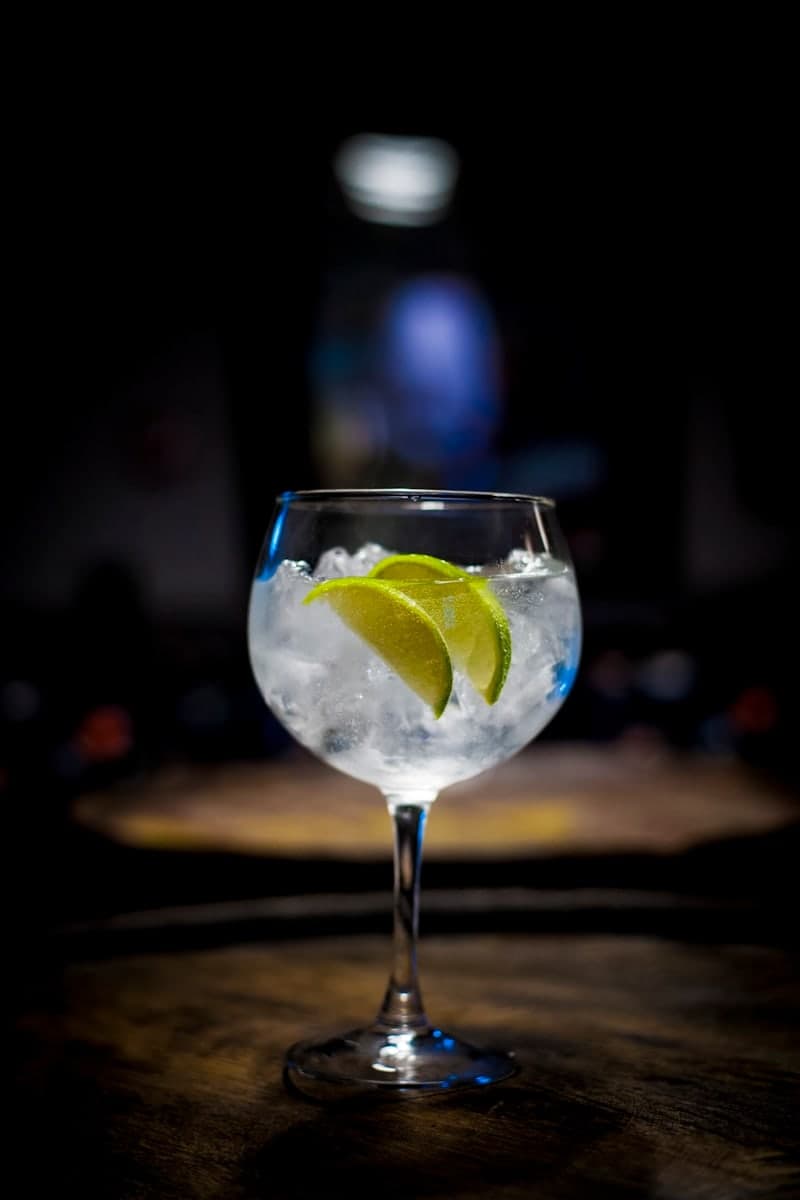 Build at home
easy
A cold gin highball built with measured gin, chilled tonic water, fresh ice, a gentle lift, and a garnish that supports the botanicals.
Make this cocktail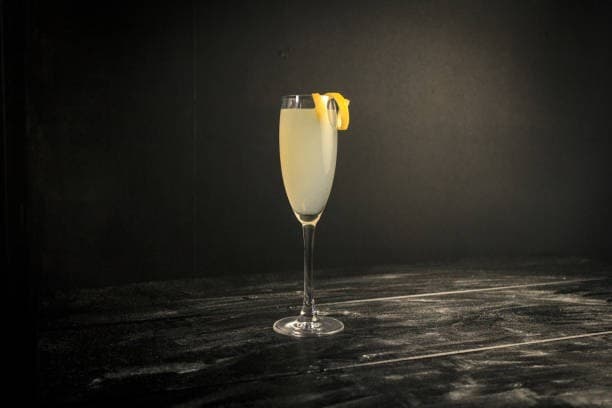 Build at home
medium
A cold gin sparkling cocktail built with gin, fresh lemon, simple syrup, a shaken sour base, and chilled dry sparkling wine topped gently to preserve bubbles.
Make this cocktail