Classic cocktail recipe
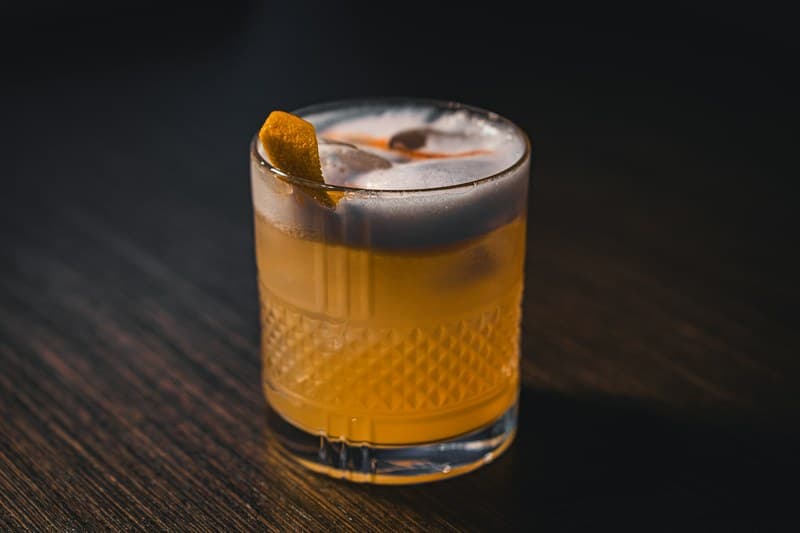
Whiskey Sour
Bourbon, lemon, and sugar become a Whiskey Sour only when the shake brings cold, water, and texture into balance. Egg white is optional; whiskey staying visible is not.
Recipe tools
The build
Chill the service glass
Chill a rocks glass if serving over ice, or chill a coupe if serving up.
Measure bourbon, lemon, syrup, and optional egg white
Add bourbon, fresh lemon juice, simple syrup, and optional egg white to a shaker.
Dry shake only if using egg white
If using egg white, seal the shaker and dry shake without ice until the mixture looks lightly foamy.
no ice
Shake hard with cold ice
Add hard cold ice and shake again until the tin is cold and the drink is chilled, diluted, and textured.
hard shake
Strain over fresh ice or up
Strain into the chilled rocks glass over fresh ice, or fine strain into the chilled coupe for up service.
Finish with bitters and lemon
Garnish with a few restrained drops of Angostura bitters and a lemon peel.
If you skip egg white, skip the dry shake too. Go straight to the ice shake and keep the drink cold, bright, and bourbon-led.
Why this spec
A Whiskey Sour is not complicated, but it is less forgiving than its short ingredient list suggests. Bourbon, lemon, simple syrup, ice, and optional egg white have to settle into one cold drink without letting any part take over. The goal is a sour that still tastes like whiskey, not sweet lemonade with proof behind it.
The Bar Guru house spec starts with bourbon because round oak, vanilla, and grain sweetness meet lemon cleanly. Two ounces keep the base spirit visible. Three-quarters ounce fresh lemon gives the drink its sour edge. Three-quarters ounce simple syrup rounds the citrus without making the finish sticky. That balance is the drink.
Fresh lemon juice is the pressure point. Old lemon tastes flat and sharp at the same time, which makes the drink seem both sour and sweet before the bourbon has a chance to speak. Squeeze close to service and measure the juice instead of building by feel. A sour can handle personality from the fruit, but it cannot handle guesswork from the jigger.
Simple syrup should be quiet. A 1:1 syrup dissolves easily in the shaker and gives the lemon enough support to feel complete. Too little syrup makes the bourbon and lemon land as separate edges. Too much syrup covers the whiskey and turns the drink soft. Make the listed spec once before deciding whether a particular lemon needs a tiny adjustment.
Egg white is optional texture, not the soul of the drink. Without it, the Whiskey Sour is brighter, cleaner, and more direct. With it, the drink becomes softer on top, with a smoother surface and a rounder mouthfeel. Either version is valid as long as the same bourbon, lemon, sugar, cold, and dilution are still doing the work underneath.
The bottle and the rest
When egg white is used, the dry shake matters. Shaking first without ice gives the egg white time to loosen and foam before cold and dilution enter the process. After that, ice goes in and the second shake finishes the drink. Skipping the dry shake does not make the recipe impossible, but it often leaves the texture looser than the drink wants.
The ice shake is where the sour becomes a cocktail. Hard cold ice chills the bourbon, adds measured water, and pulls lemon and syrup into the whiskey instead of letting them sit beside it. A timid shake leaves the drink hot and narrow. Wet or tired ice can push it watery before it gets cold. The tin should feel properly cold before the drink is strained.
Service changes the mood. A rocks glass over fresh ice is relaxed and forgiving because the drink keeps opening as the ice slowly melts. A chilled coupe is tighter and more exposed, especially when egg white is part of the texture. Neither service needs to be treated as more correct. The choice is about pace, temperature, and how much texture you want in the first few minutes.
The garnish should support the sour rather than decorate it into another drink. A few drops of Angostura bitters on the surface add aroma, especially when there is foam to hold them. Lemon peel gives a bright top note without adding more juice. Keep both restrained so the first sip still reads as bourbon, lemon, and measured sweetness.
Rye makes a useful variation when the drink wants more spice and a drier line. The same lemon and syrup ratio can work, but rye changes the center of gravity. Bourbon is the default here because its roundness makes the sour generous without needing extra sugar. Rye is the branch to try once the bourbon baseline is understood.
The Whiskey Sour belongs beside other whiskey standards because it teaches a different kind of control. An Old Fashioned tests sugar, bitters, ice, and patience. A Manhattan tests vermouth, stirring, and cold clarity. The Whiskey Sour tests citrus balance, shaking, and texture. All three depend on whiskey staying visible after technique enters the glass.
When a Whiskey Sour tastes wrong, the fix is usually practical. Check the lemon freshness, measure the syrup, use colder ice, shake with more purpose, and decide whether egg white is helping the texture or hiding the balance. The drink does not need a bigger story than that. It needs bourbon, lemon, sugar, cold water from the shake, and enough restraint to let each part stay readable.
Take it somewhere
No egg
Cleaner sourSkip the egg white for a sharper Whiskey Sour where bourbon, lemon, syrup, and shake carry the whole texture.
Rye sour
Spicier baseUse rye when the same sour structure should finish drier, grainier, and more peppery.
Up
Tighter textureFine strain into a chilled coupe when you want the foam, acid, and dilution to feel more precise.
Rocks
Slower sipStrain over fresh ice when the drink should open gradually and stay relaxed through the glass.
Where it goes wrong
Treating egg white as required
The drink is complete without it. Egg white is texture, so leave it out when a cleaner bourbon-and-lemon sour is the goal.
Too much syrup
Sugar should round the lemon, not hide the bourbon. Once the whiskey disappears, the sour has lost its center.
Weak ice shake
A short shake leaves the drink hot and narrow. Cold and dilution are as important as the lemon measure.
Old lemon
Dull lemon makes the sour taste flat and sweet even when the measured ratio is correct.
Questions, answered
Is egg white required?
No. It adds texture, but the bourbon, lemon, and syrup spec stands on its own.
Why dry shake first?
Dry shaking gives optional egg white time to foam before ice adds chill and dilution.
Bourbon or rye?
Bourbon is the house spec because it stays round through lemon. Rye makes a drier, spicier variation.
Rocks or up?
Both work. Rocks service is more relaxed; up service highlights texture, foam, and balance.
Sour, soft, still whiskey
A Whiskey Sour should feel generous without losing its spine. When bourbon still speaks through lemon, cold water from the shake, and optional foam, the drink is doing its job. Keep the family path open with the Old Fashioned, the Manhattan, or the wider whiskey cocktail guide.