Cachaça cocktail recipe
Caipirinha
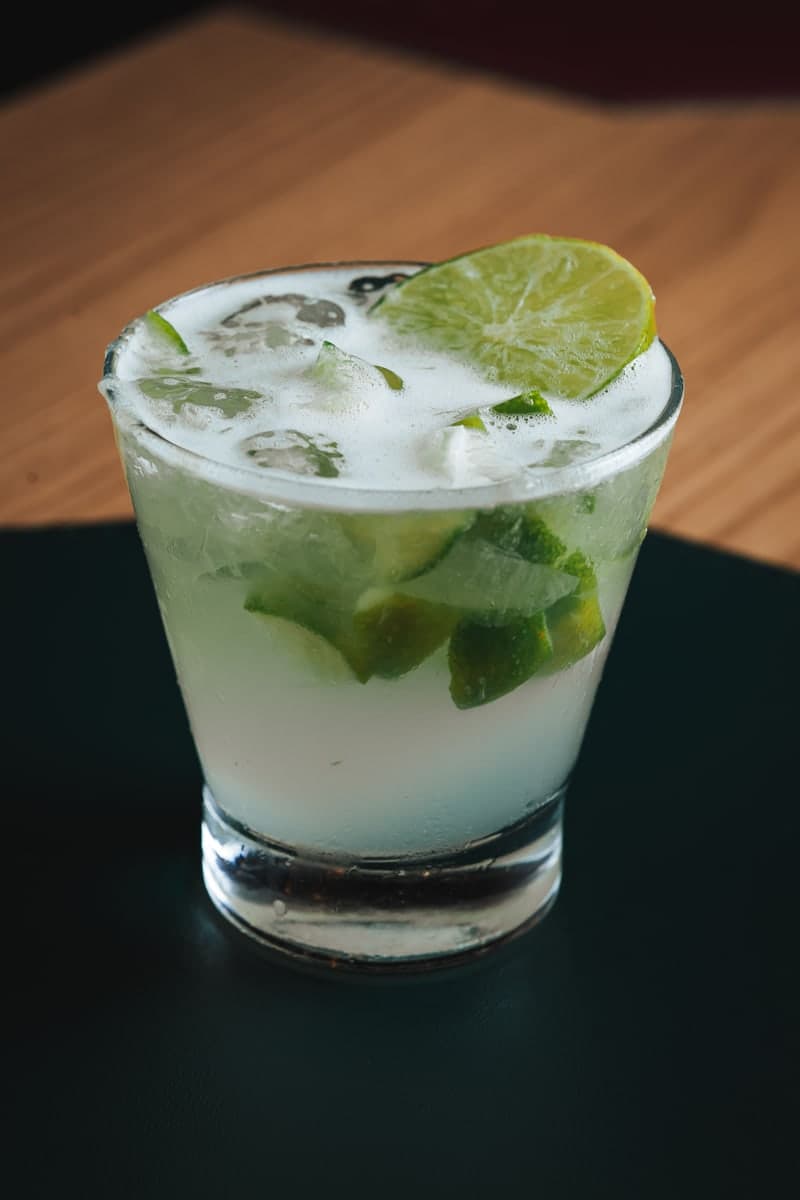
Cachaça, lime wedges, superfine sugar, and crushed ice make the Caipirinha direct, bright, and unforgiving of rough muddling. Keep the cane spirit visible and the lime peel under control.
Recipe tools
The build
Add lime and sugar
Add the lime wedges and superfine sugar to a sturdy rocks glass.
Muddle with restraint
Muddle gently, pressing enough to release juice and citrus oil without shredding the peel or pith.
gentle pressure
Add cachaça and first ice
Add cachaça and a scoop of crushed or cracked ice.
Stir from the bottom
Stir from the bottom of the glass until the sugar starts dissolving and the drink turns cold.
bottom-up stir
Top with ice and garnish
Top with more crushed ice, garnish with a lime wheel, and serve immediately.
If sugar settles after the first few sips, give the glass a quick bottom-up stir. That fix is cleaner than crushing the lime harder at the start.
Why this spec
The Caipirinha is a small drink with very little room to hide. Cachaça, lime, sugar, and ice go straight into the glass, so the whole recipe depends on pressure, texture, and patience. The Bar Guru house spec keeps the build rustic but controlled: enough muddling to release lime juice and peel oil, not so much that the pith takes over.
Cachaça is the base because its grassy sugarcane character is the point of the drink. It is not a generic white-spirit sour and it is not a rum swap wearing a different name. The cane note needs to stay readable after lime, sugar, and melting ice enter the glass, which is why the spec avoids extra fruit, soda, or liqueur.
This route belongs in the agave-and-cane cocktail family because Bar Guru has that backed cocktail-family path, not because there is a supported cachaça spirit shelf. The copy can explain cane-spirit context and cachaça behavior while leaving spirit-shelf routing alone. No cachaça spirit page is backed today, and this recipe should not pretend one is.
The lime is handled as wedges instead of separate juice because peel oil is part of the drink. Pressing the wedges with sugar gives the glass fresh juice, aroma, and a little texture. The trick is restraint. Once the white pith is crushed hard, bitterness arrives quickly and no amount of extra sugar really fixes it.
Sugar is not just sweetness here; it is also abrasion and timing. Superfine sugar helps pull juice and oil from the lime while dissolving faster than coarse crystals. Two teaspoons keep the drink bright and cane-led. Too little sugar leaves sharp lime and hot spirit stacked together; too much makes the glass heavy before the ice can open it.
The bottle and the rest
Crushed or cracked ice is the quiet ingredient. It chills fast, adds the dilution the drink needs, and keeps working as the sugar finishes integrating. A Caipirinha served over a few large cubes can taste hot and separate because the sugar sits below the drink while the spirit stays above it.
The method should feel deliberate rather than delicate. Add lime and sugar first, muddle with measured pressure, then add cachaça and ice. Stir from the bottom of the glass so the sugar, juice, and spirit meet before service. A quick top-up of ice keeps the drink cold through the first few minutes.
White cachaça keeps the house spec bright and direct. A lightly aged cachaça can work as a variation when you want rounder wood and vanilla-like notes, but the lime has to stay gentle or the bitter edge becomes louder against the barrel tone. The default path stays clean, fresh, and cane-forward.
The drink is related to other citrus-sugar classics without becoming them. A Daiquiri separates rum, lime juice, and sugar into a shaken sour. A Mojito uses muddled mint, lime, sugar, rum, and soda for a tall build. The Caipirinha keeps the lime pieces in the glass and lets cachaça carry the cane character directly.
Fresh lime matters more than garnish polish. If the lime is dry, hard, or bitter, the drink will feel flat no matter how good the cachaça is. Use a juicy lime, cut it into manageable wedges, and remove any especially thick central pith before muddling if the fruit demands it.
Variation should be modest. Passion fruit, a slightly drier sugar measure, or a lightly aged cachaça can all work, but the base shape should still taste like cachaça, lime, sugar, and ice. Once the glass needs a blender, a syrup build, or a long list of fruit, it has moved away from the house recipe.
When a Caipirinha tastes wrong, check the mechanics first. Was the lime pulverized? Was the sugar too coarse to dissolve? Was there enough crushed ice? Did the drink get a bottom-up stir after the cachaça went in? The fixes are practical because the recipe is practical.
A good Caipirinha feels fresh, cold, and slightly textured, with cane spirit on the first sip and lime oil through the finish. Keep the pressure gentle, the ice generous, and the routing honest: cocktail-family context is supported here, but a cachaça bottle shelf is not.
Take it somewhere
Aged cachaça
Rounder caneUse lightly aged cachaça for more wood and roundness, then muddle gently so lime bitterness does not fight the barrel note.
Drier
Less sugarReduce sugar slightly only when the lime is sweet and juicy enough to keep the drink from turning sharp.
Passion fruit
Fruit liftAdd a small amount of fresh passion fruit when it supports lime and cane instead of turning the glass into fruit punch.
Cracked ice
Home fixUse cracked ice when crushed ice is not available, but stir longer from the bottom so sugar and cachaça integrate.
Where it goes wrong
Pulverized lime
Too much pressure releases bitter pith and makes the drink harsh before the cachaça has a chance to read as fresh cane spirit.
Coarse sugar
Large crystals sit at the bottom, dissolve slowly, and tempt you into over-muddling the lime.
Too little ice
The drink needs cold dilution as it opens. Under-ice it and the cachaça, sugar, and lime stay separated.
Rum substitution
Rum can make a good lime-and-sugar drink, but it does not make the backed Caipirinha spec on this route.
Questions, answered
Can I use rum?
Rum makes a different drink. Cachaça is essential to the Caipirinha’s grassy cane character.
Why use lime wedges?
Wedges give juice and peel oil in the glass, which is part of the drink’s rustic shape.
Should it be strained?
No. The lime and sugar stay in the glass with crushed ice.
Is there a Bar Guru cachaça shelf?
No. This page uses the backed agave-and-cane cocktail-family route and does not link to a cachaça spirit shelf.
Rustic, not rough
The Caipirinha should taste like cane, lime, sugar, and ice finding balance in the glass. Gentle hands keep it bright, and the next comparisons are the Agave and Cane guide, the Daiquiri, and the Mojito.