Classic cocktail recipe
Mojito
Fresh mint, white rum, lime, sugar, ice, and soda need touch more than force. The Mojito should feel alive, cold, and lifted, never leafy or flat.
Recipe tools
The build
Press the mint gently
Add mint leaves, lime juice, and simple syrup to a Collins or highball glass.
Wake the mint, not shred it
Gently press the mint just enough to release aroma without shredding the leaves.
gentle pressure
Add rum and ice
Add white rum and fill the glass three-quarters with crushed or cracked cold ice.
Churn the cold base
Churn briefly to lift the mint through the drink and chill the build.
Top with soda
Top with chilled club soda, add more ice if needed, and give one gentle lift with a bar spoon.
one lift
Garnish high
Garnish with a mint bouquet and lime wheel.
The soda goes in late and cold. After that, lift once and leave the drink alone so the bubbles survive the walk to the table.
Why this spec
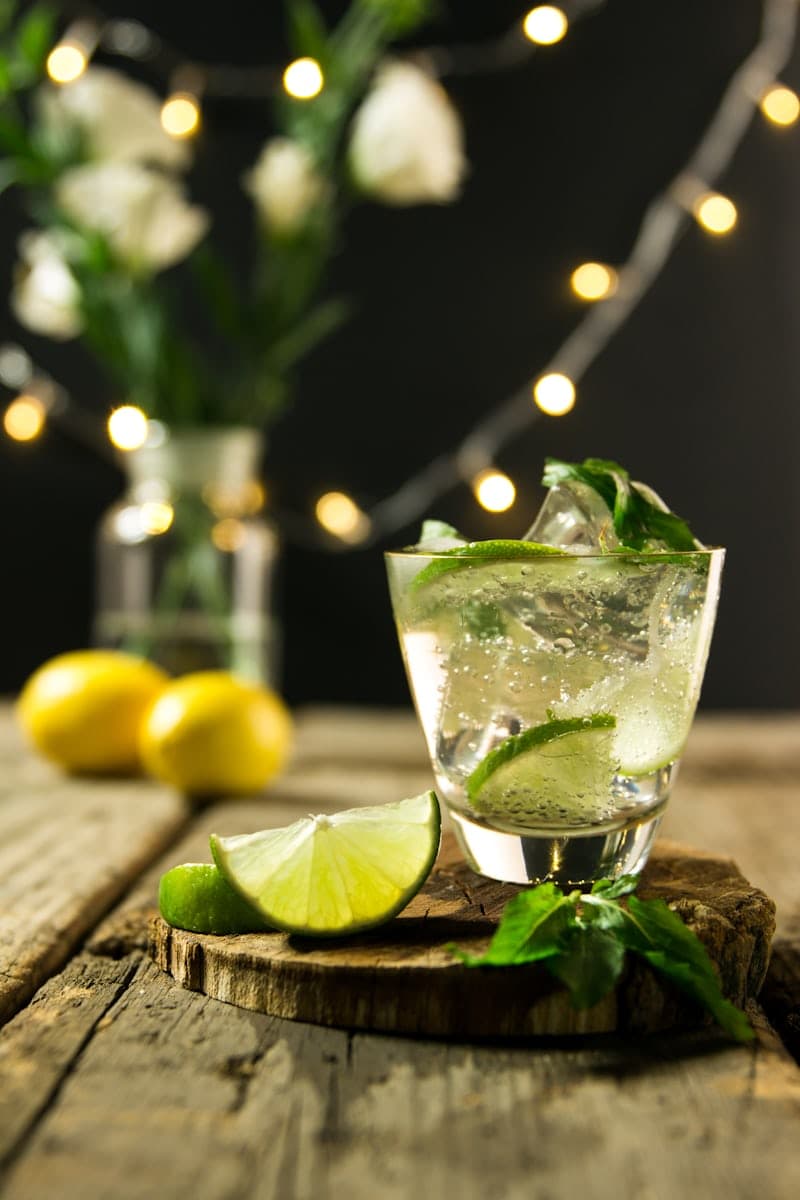
A Mojito earns its reputation before it ever reaches the lips. The glass should look alive: fresh mint opening at the top, lime tucked into the build, white rum stretched by cold soda, and ice stacked high enough to make the drink feel quick, bright, and awake. A good mojito recipe is not complicated, but it is also not careless. The classic mojito depends on touch. Mint, lime, rum, and crushed-ice rhythm all have to move together, so the drink tastes lifted instead of leafy, refreshing instead of thin, and relaxed without becoming vague.
The core of the drink is a rum highball with citrus, sweetness, herb, and sparkle. White rum brings clean cane character and enough body to stand behind the lime. Fresh mint gives aroma before flavor, which is why the garnish matters as much as the leaves in the glass. Lime brings the bright edge that keeps the drink from tasting like sweet soda. Simple syrup gives measured sweetness without the gritty uncertainty of undissolved sugar. Club soda lengthens everything, turning a short sour framework into a tall, cold drink built for slow refreshment.
The Mojito is strongly associated with Cuba, and it is safest to treat its history as a broad lineage rather than a single settled invention. Rum, lime, sugar, mint, and long cold drinks all have older Caribbean context, and Havana bar culture helped make the Mojito internationally recognizable during the 20th century. That is enough history for the glass. The useful point is not a neat origin claim. It is that the drink grew from ingredients that make sense together in heat: cane spirit, sharp citrus, sweetness, herb, water, and ice.
White rum is the cleanest starting point for a classic mojito. It keeps the drink pale, crisp, and highball-friendly, with a light cane note that does not fight the mint. A fuller white rum can add texture, while a very neutral bottle may make the cocktail depend too heavily on lime and sugar. Lightly aged rum can work if it stays gentle, but darker, heavily oaked, or strongly spiced rums push the drink toward another mood. They can be enjoyable variations, but the classic profile is clean rum, fresh mint, lime, soda, and cold ice.
Mint is where many Mojitos go wrong. Fresh mint should smell vivid when you clap or brush the leaves, not dusty, limp, or blackened at the edges. Spearmint is the familiar choice in many home bars because it is available and friendly, with a cool green aroma that sits naturally with lime. The goal is to release fragrance from the leaves, not grind them into pulp. Hard muddling tears the plant fibers and can make the drink taste grassy or bitter. Gentle pressure is enough. Think of waking the mint, not punishing it.
Lime needs the same respect. Fresh lime juice gives the Mojito its clean snap and keeps the sweetness honest. Bottled lime juice usually tastes duller and can make the drink seem flat before the soda even enters the glass. The listed spec uses measured lime and simple syrup so the balance is repeatable. Once you know the drink, you can adjust a little drier or sweeter, but guessing from the start makes the highball harder to read. Too much lime turns sharp and mouth-puckering. Too much syrup turns the drink into mint lemonade with rum hiding in the background.
Simple syrup is not a shortcut in the lazy sense. It is a control. Granulated sugar can be traditional in some builds, especially when muddled with lime, but it can also sit at the bottom of the glass or demand more aggressive muddling than the mint deserves. A clean 1:1 simple syrup moves through the drink quickly, supports the rum, and lets the bartender decide exactly how sweet the Mojito should be. The best version tastes lightly sweet, not sugary. The finish should invite another sip because lime, mint, soda, and rum are still distinct.
The bottle and the rest
Muddling is the practical center of the classic mojito. Add the mint leaves with lime juice and simple syrup, then press gently just until the room starts to smell like mint. You are not trying to puree the leaves. You are opening oils and folding them into the citrus and syrup. Add the white rum after that so it can pick up the aromatic base, then add crushed or cracked ice and churn briefly. That churn matters. It chills the drink, pulls mint through the glass, and begins dilution before the soda top turns the build into a true highball.
Ice gives the Mojito its tempo. Crushed ice makes the drink feel coastal and kinetic because it chills fast, dilutes steadily, and lets the mint move through the glass. Cracked ice is a practical home substitute. Large cubes can work, but they need a little more stirring before soda so the drink does not taste warm and separated at the first sip. Whatever the shape, the ice should be cold and plentiful. A half-filled glass melts fast and leaves the Mojito watery without ever making it properly brisk. The drink should sound cold when the spoon moves through it.
Club soda is the final lift, not an afterthought. Use chilled soda and add it late, after the rum, mint, lime, syrup, and ice have already become one cold base. Pouring warm soda into the glass wastes carbonation immediately. Stirring too hard after the top knocks out the bubbles and can bruise the mint further. A gentle lift with a bar spoon is enough to integrate the soda without flattening the highball. The finished Mojito should not fizz like a soft drink forever, but it should arrive with a clean sparkle and a light snap at the edges.
Glassware supports that shape. A Collins or highball glass gives the drink room to lengthen, stack ice, hold a mint bouquet, and keep the soda from feeling cramped. A rocks glass can make the Mojito taste denser and less relaxed unless the pour is adjusted. The tall glass also makes the garnish functional. A mint bouquet near the nose changes every sip because aroma reaches the drinker before liquid does. Slap or gently tap the bouquet before placing it in the glass, then keep the stems tidy. The garnish should look intentional, not like loose leaves abandoned on top.
Common mistakes are easy to avoid once you understand the rhythm. Do not shred the mint. Do not bury the drink in sugar. Do not use warm soda. Do not shake the build with club soda, and do not shake the mint so hard that it becomes confetti. Do not under-ice the glass. Do not treat the garnish as decoration only. A Mojito can forgive small variations, but it cannot hide rough handling. When the drink tastes bitter, muddy, flat, or watery, the problem is usually technique rather than the recipe idea.
The Mojito also rewards small, honest variations. A drier Mojito can use slightly less simple syrup once the listed spec has been tasted. A richer version can use a rum with more body while staying in the white or lightly aged lane. Fresh fruit can work when it is restrained and seasonal, but it should not erase the classic structure. Strawberry, pineapple, or passion fruit may be pleasant, yet the drink still needs mint, lime, rum, soda, and ice to remain recognizable. If the fruit turns the highball into a smoothie or syrup drink, the Mojito has slipped away.
Food pairing is one reason the drink remains so useful. The lime and mint make it natural beside grilled shrimp, ceviche, fish tacos, roast chicken, pork, plantains, fried snacks, and bright salads. The soda keeps the drink light enough for warm weather and early evening, while the rum gives enough backbone to stand next to salt, char, and spice. It is a social cocktail, but not because it needs a party around it. It simply carries a generous mood: cold glass, fresh aroma, a little sweetness, and a clean line of acidity.
For a reliable home Mojito, build with patience and restraint. Use fresh mint, fresh lime, measured simple syrup, white rum, cold ice, and chilled club soda. Press the mint gently, churn the rum and citrus base with ice, top late, and lift softly. Taste the first drink before changing the spec. If it is sharp, add a touch more syrup. If it is sweet, add a little lime. If it is flat, check the soda and ice. When the balance is right, the classic Mojito feels effortless: mint at the nose, lime through the middle, rum underneath, and crushed ice keeping time all the way down the glass.
Take it somewhere
Drier
Less syrupReduce the simple syrup slightly only after tasting the listed spec with your mint and limes.
Fuller rum
More bodyA lightly aged or fuller white rum can add texture while staying in the clean Mojito lane.
Seasonal fruit
RestraintA little strawberry, pineapple, or passion fruit can work if mint, lime, rum, soda, and ice still lead.
Cracked ice
Home fixUse cracked ice when crushed is not available; stir a touch longer before the soda.
Where it goes wrong
Pulverized mint
Hard muddling tears the leaves and turns the drink grassy. Press until the aroma rises, then stop.
Warm soda
Room-temperature soda wastes carbonation immediately and makes the drink taste slack.
Half-filled ice
Too little ice melts fast without making the highball properly cold. Fill the glass generously.
Questions, answered
Can I shake a Mojito?
Not this build. The mint and soda need gentle handling, and the drink should stay tall and bright.
What rum works best?
A clean white rum is the most useful start. Fuller white rum is fine; dark or heavily spiced rum changes the drink.
Do I need crushed ice?
Crushed or cracked ice is best because it chills fast and lets the mint move through the glass.
Cold mint and motion
The Mojito is best before it gets casual with itself. Keep the first build measured, use more ice than seems necessary, and let the mint stay fragrant instead of bruised.