Classic cocktail recipe
Daiquiri
Rum, lime, and sugar. The Daiquiri is one of the cleanest tests in cocktails because there is nowhere for bad citrus, warm glass, or sloppy shaking to hide.
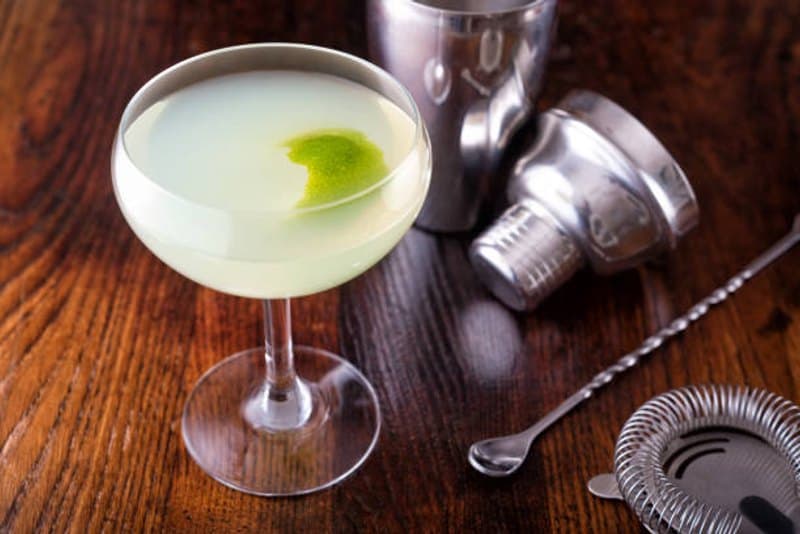
Recipe tools
The build
Chill the coupe
Chill a coupe before building the drink.
Measure the three-part sour
Add white rum, fresh lime juice, and simple syrup to a shaker.
Shake until the tin frosts
Fill the shaker with hard cold ice and shake until the tin is frosty and the drink is cold, bright, and lightly aerated.
10-12 sec
Fine strain cleanly
Fine strain into the chilled coupe.
Twist and serve
Garnish with a lime twist and serve immediately.
The Daiquiri has a short best window. Put it in a cold coupe and drink it while the surface still looks alive.
Why this spec
The Daiquiri is one of the clearest ways to understand a sour. There are only three liquid ingredients: rum, lime, and sugar. No bitters, no soda, no liqueur, no mint, no fruit puree, and no garnish that can hide the build. When it is right, the drink tastes bright, cold, and almost effortless. When one piece is off, the glass tells you immediately.
The Bar Guru spec keeps the structure direct: two ounces of white rum, three-quarters ounce fresh lime juice, and three-quarters ounce 1:1 simple syrup. That ratio gives the rum enough room to show while keeping the lime sharp and the sugar measured. It is not meant to be the sweetest Daiquiri possible. It is meant to be the baseline that makes adjustment honest.
You do not need a settled origin story to make the drink well. The useful context is that the Daiquiri belongs to the practical rum sour family: cane spirit, citrus, sugar, ice, and a short glass. It became a classic because the formula is portable and unforgiving. The recipe works in a serious cocktail bar and at home for the same reason. The balance is doing the work.
White rum is the cleanest base for this house spec, but clean should not mean invisible. Look for a rum with some cane character, light body, and enough aroma to stay present after lime and syrup. A neutral bottle can make the drink taste like sweetened lime with proof behind it. A very funky or heavily aged rum can be delicious, but it moves the drink into a richer variation.
Fresh lime juice is non-negotiable here. Bottled lime juice turns dull and bitter in ways that syrup cannot repair. Squeeze the lime close to service, and taste it if the drink seems hard to balance. Some limes are sharp and lean; others are softer. The recipe gives you the baseline, but the fruit is the ingredient most likely to ask for a tiny correction.
The bottle and the rest
Simple syrup controls the drink more quietly than people expect. A 1:1 syrup dissolves cleanly in the shaker and gives the lime enough support without making the finish sticky. If the rum is soft or the lime is mild, pull the syrup down slightly. If the lime is especially sharp, a small extra barspoon may be enough. Make the listed spec once before chasing personal tweaks.
Shaking is not just a way to mix the ingredients. It chills, dilutes, and aerates the sour so the rum, lime, and sugar arrive as one drink. Use hard cold ice, shake until the tin is frosty, and give the drink enough force to pick up the water it needs. A short shake leaves the Daiquiri hot and pointed. A lazy shake makes the recipe taste harsher than it is.
The coupe matters because the finished drink has no ice in the glass. Chill it before you start, then fine strain so the first sip is clean instead of full of ice chips and lime pulp. A lime twist is enough garnish. The aroma should reinforce the fresh lime without turning the drink into a decorated sour.
A Daiquiri has a short best window. It should be served as soon as it is strained, while the surface still looks alive and the glass is cold. If it sits too long, the texture relaxes and the edges flatten. That does not make the drink fragile. It just means the final step is timing.
Variation should begin with small changes. A drier Daiquiri uses a little less syrup. A richer Daiquiri brings in a fuller white rum or a small split of lightly aged rum. A Hemingway-style lane changes the sweetener and citrus structure enough to deserve its own spec. A frozen Daiquiri is also its own service style, because blended ice changes sweetness, texture, and dilution.
Food pairing is easy because the drink is sharp, lean, and rum-led. It works with fried seafood, grilled shrimp, roast pork, plantains, salty snacks, ceviche, and anything that benefits from lime and cold. The Daiquiri is also a useful first drink before the menu gets heavier. It opens the palate without bringing bitterness, bubbles, or a tall glass of dilution.
When a Daiquiri tastes wrong, check the basics before rewriting the recipe. Was the coupe cold? Was the lime fresh? Did the syrup measure cleanly? Was the shake hard enough? Did the rum disappear or dominate? The drink is simple enough that the answer is usually visible. That is why the Daiquiri is such a good benchmark: rum, lime, sugar, ice, and technique all have to agree.
Take it somewhere
Drier
Less syrupReduce simple syrup slightly when the rum is soft or the lime is mild.
Richer rum
More bodyA fuller white rum can add texture without leaving the classic lane.
Split rum
DepthUse a small portion of lightly aged rum when you want more depth without turning it tropical.
Frozen
Different drinkBlend with extra ice and a touch more sugar only when you intend a frozen variation.
Where it goes wrong
Warm coupe
The drink is small and served up. A warm glass flattens it immediately.
Bad lime
Old or bottled lime turns the cleanest sour in the book into a dull one.
Over-sweetening
Too much syrup hides the rum and makes the finish sticky.
Questions, answered
Is a Daiquiri frozen?
The classic house spec is shaken and served up. Frozen Daiquiris are a separate variation.
What rum should I use?
Use a white rum with clear cane character that stays present after lime, sugar, and dilution.
Can I make it sweeter?
Yes, but taste the listed spec first. Tiny syrup changes are easy to feel here.
The clean test
The Daiquiri is useful because it is honest. When the rum, lime, sugar, and shake are right, the drink feels effortless. When one part is off, you know immediately. Keep the rum path open with the Mojito or the full rum cocktail family.