Coffee cocktail recipe
Carajillo
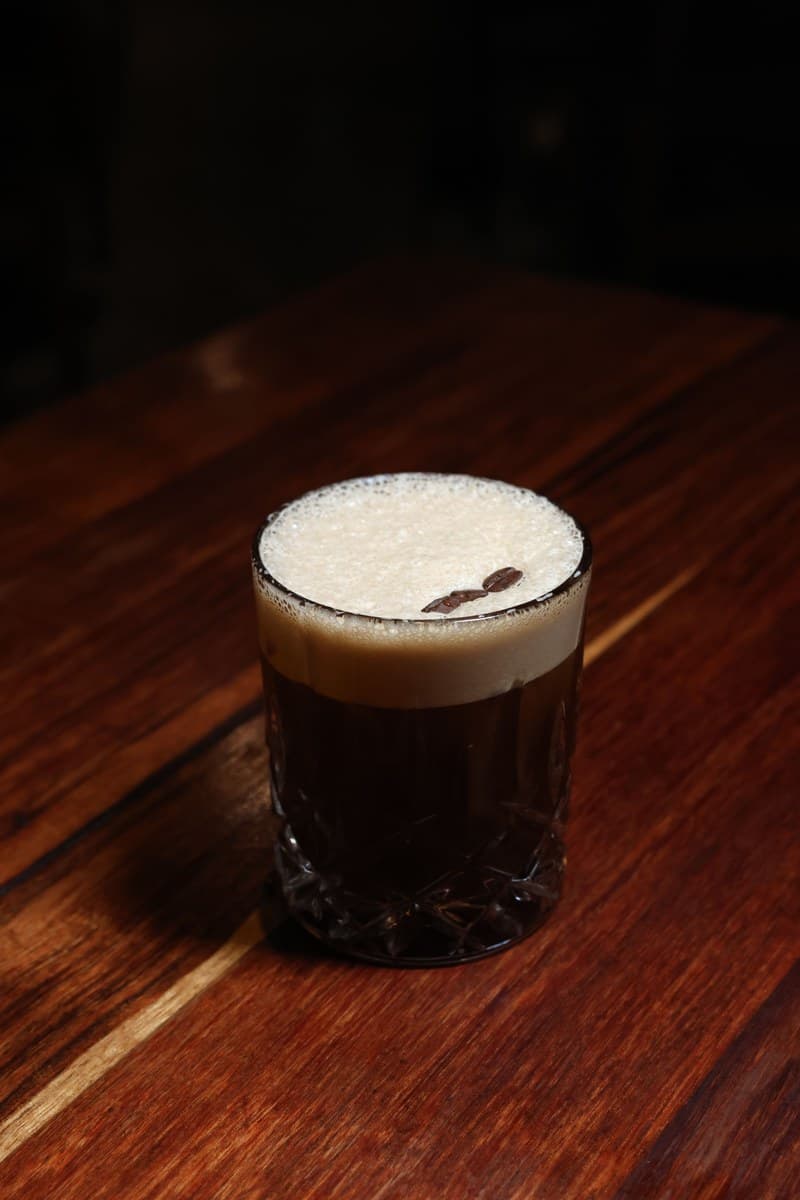
Equal parts Licor 43 and fresh espresso, shaken hard and served over one large cube. The Carajillo should be cold, silky, and coffee-led, with citrus-vanilla liqueur rounding the edges instead of taking over.
Recipe tools
The build
Chill the glass and cube
Chill a rocks glass and prepare one large cold cube.
Pull and cool the espresso
Pull fresh espresso and let it cool briefly so it is warm, not steaming hot.
warm, not hot
Build the shaker
Add Licor 43, espresso, and hard cold ice to a shaker.
Shake for a light froth
Shake hard until the tin is cold and the espresso froths lightly.
hard shake
Double strain over fresh ice
Double strain into the chilled rocks glass over the fresh large cube.
fresh cube
Express the orange twist
Express an orange twist over the drink and set it on the rim or in the glass.
Serve it right away. The rocks cube gives the drink a little room, but the best texture is still in the first few cold minutes.
Why this spec
A Carajillo works best when it stays direct: liqueur, espresso, cold, and texture. The drink is sweet enough to feel generous and bitter enough to stay alert, but it should not taste like a dessert sauce poured over ice. This Bar Guru spec keeps the build tight with equal parts Licor 43 and fresh espresso, shaken hard and served over one large cube so the first sip is cold, aromatic, and clean.
You will see the name Carajillo attached to more than one service style. Some versions are hot. Some are layered. Some are built in the glass. This route backs one clearly defined version: the cold shaken Licor 43 and espresso Carajillo that behaves like a compact coffee cocktail. That choice keeps the recipe repeatable without making a broad claim about every origin story, room, or tradition attached to the name.
The balance starts with Licor 43. The liqueur brings vanilla, citrus, and baking-spice sweetness, so the recipe does not need simple syrup. A heavy hand makes the drink soft quickly, which is why the spec holds the liqueur at 1.5 ounces and matches it with the same amount of espresso. The liqueur should round the coffee, not bury it.
Fresh espresso is the ingredient that gives the Carajillo lift. A shot pulled close to service brings aroma, bitterness, and enough coffee oils to froth when shaken. Let it cool briefly before it hits the shaker. Steaming espresso punishes the ice and can make the finished drink warm before it has a chance to settle. Warm, not hot, is the target.
Equal parts make the drink easy to remember, but the ratio only works if the coffee has real structure. If the espresso tastes weak, the Carajillo reads too sweet. If the espresso is aggressively bitter, the liqueur can feel thin instead of balanced. A medium or medium-dark shot with chocolate, nutty, caramel, or citrus-friendly notes usually sits well against Licor 43 without needing any extra sweetener.
The bottle and the rest
Ice is not just a chilling tool here. The shaking ice chills and aerates the drink, then gets discarded because it has already done its job. The serving cube is fresh and cold, which lets the drink relax slowly in the rocks glass. Dumping the shaker ice into the glass makes the first minute easier and the fifth minute watery. Use hard cold ice for both stages and keep the finished cube large when possible.
The shake should be committed but brief. Add Licor 43, cooled espresso, and hard cold ice to the shaker, then shake until the tin feels cold and the espresso has built a light froth. The goal is a silky top, not a thick dessert foam. Double straining keeps shards and coarse bubbles out of the finished glass so the surface looks polished and the texture stays smooth.
A chilled rocks glass gives the Carajillo a useful pace. The large cube keeps it cold while the liqueur and espresso open together, making the drink suited to slow after-dinner sipping without turning syrupy. If you prefer a tighter first impression, strain the same build into a chilled small coupe with no ice and drink it promptly. The recipe stays the same; only the pace changes.
The orange twist is small but deliberate. Licor 43 already carries a citrus-vanilla register, and expressed orange oil makes that aroma clearer without adding juice or more sweetness. Coffee beans can look familiar on coffee cocktails, but this spec uses orange because it points back to the liqueur and keeps the surface uncluttered. Skip garnish entirely before adding anything dusty or gritty.
Most Carajillo problems are balance problems pretending to be recipe problems. Too sweet usually means the espresso was weak, stale, or too small. Too thin usually means soft ice, a long delay after shaking, or shaker ice dumped into the glass. Too warm usually means the glass was not chilled or the espresso went in steaming hot. Fix the handling first before changing the ratio.
The optional base-spirit idea belongs in variation territory, not the core recipe. A small half-ounce of reposado tequila can add agave and vanilla depth, while brandy can make the drink rounder and quieter. Either choice changes the drink enough that it should be treated as a variation and measured carefully. Keep the main build anchored to Licor 43, espresso, and coffee-cocktail technique.
For service, think concise and late rather than tall and casual. The Carajillo fits after dinner, beside chocolate, toasted nuts, vanilla desserts, or a simple cookie, but it does not need food to make sense. It is also a useful comparison point next to an Espresso Martini: both depend on fresh coffee and a hard shake, but the Carajillo is liqueur-led, lower in moving parts, and served on a cube in this spec.
The clean home sequence is simple. Chill the glass. Pull the espresso. Let it cool briefly. Measure equal parts Licor 43 and espresso. Shake with hard cold ice. Double strain over a fresh cube. Express the orange twist. When those steps are handled in order, the Carajillo lands exactly where it should: cold coffee, citrus-vanilla liqueur, controlled sweetness, and enough texture to feel finished.
Take it somewhere
Up
Chilled coupeDouble strain into a chilled small coupe with no ice when you want the drink tighter and faster. Same spec, shorter clock.
Drier coffee
Bolder shotUse a more structured espresso before reducing the Licor 43. The drink should still taste like liqueur and coffee agreeing, not fighting.
Base accent
Half-ounce maxAdd 0.5 ounce reposado tequila or brandy only as a variation. Keep it small so Licor 43, espresso, and the cold coffee texture still lead.
No garnish
Clean surfaceSkip the orange twist if the espresso already smells bright. A clean frothy surface is better than a garnish that makes each sip gritty.
Where it goes wrong
Steaming espresso
Hot espresso melts the shaking ice too quickly and makes the drink land warm. Let the shot cool briefly before building.
Soft shaker ice
Wet ice gives fast dilution without a clean chill. Use hard cold ice for the shake and a fresh cube for the glass.
Weak coffee
Licor 43 is already sweet. If the espresso is stale or thin, the drink loses bitterness and turns soft.
Too much accent spirit
Reposado tequila or brandy can work as a variation, but a heavy pour drags the Carajillo away from the supported coffee-cocktail route.
Questions, answered
What is in this Carajillo?
This Bar Guru spec uses equal parts Licor 43 and fresh espresso, shaken with hard cold ice and served over one large cube with an orange twist.
Is a Carajillo always shaken?
No. The name can appear with other service styles, but this route backs the cold shaken Licor 43 and espresso version.
Can I use cold brew?
Concentrated coffee can work in a pinch, but fresh espresso gives better aroma, bitterness, and light froth.
Should it be served up or on ice?
The house spec is over one large cube. Up service works as a variation when the glass is chilled and the drink will be finished quickly.
Coffee, cold and polished
The Carajillo should feel like coffee service got dressed for the bar: fresh espresso, citrus-vanilla liqueur, hard cold ice, and one clean cube. For the wider lane, keep reading through coffee cocktails, then compare the hard-shaken foam work against the Espresso Martini.