Modern classic recipe
Espresso Martini
Vodka, coffee liqueur, and fresh espresso only become an Espresso Martini when the shake is hard enough to make the texture matter. Cold glass, tight foam, no dessert costume.
Recipe tools
The build
Chill the coupe
Chill a coupe before building the drink.
Pull fresh espresso
Pull fresh espresso and let it cool briefly so it is warm, not steaming hot.
warm, not hot
Build the shaker
Add vodka, coffee liqueur, espresso, simple syrup, and hard cold ice to a shaker.
Shake for foam
Shake hard until the tin is very cold and the espresso foam tightens across the surface.
hard shake
Double strain
Double strain into the chilled coupe.
Place the beans
Garnish with three espresso beans on the foam cap.
Drink it while the foam is tight. The drink is served up, so texture and temperature are both on a short clock.
Why this spec
An Espresso Martini should feel like a small piece of bar theater that still knows exactly what it is doing. The glass is cold. The drink is nearly black under a pale foam cap. The first aroma is coffee, not sugar. Then vodka, coffee liqueur, fresh espresso, and a measured touch of simple syrup land together with enough chill and texture to make the cocktail feel polished rather than heavy. A good espresso martini recipe is not a dessert in disguise. It is a coffee cocktail built on pressure, temperature, balance, and timing.
The modern classic works because it makes two familiar rituals meet at the bar: the clean snap of a shaken vodka cocktail and the aromatic force of espresso. Vodka gives the drink a neutral backbone and enough proof to keep the finish crisp. Coffee liqueur brings roasted sweetness and depth. Fresh espresso supplies bitterness, aroma, color, and the proteins and oils that help form crema-like foam. Simple syrup rounds the edges when the espresso is assertive. Ice and a cocktail shaker turn those ingredients into something cold, aerated, and immediate.
History around the Espresso Martini is clearer than many older cocktails, but it still deserves a light touch. The drink is generally associated with late-20th-century London bar culture and bartender Dick Bradsell, whose vodka-and-coffee formula helped define the style. Names, specs, and glassware shifted over time, and the drink has moved through fashion cycles since then. What matters in the glass is that the format endured because it solved a real hospitality brief: a drink that looks sharp, tastes like coffee, carries spirit, and can close dinner or restart the room without needing a sugary costume.
Fresh espresso is the ingredient that decides whether the cocktail feels alive. A shot pulled close to service gives aroma, roasted bitterness, and a texture that bottled coffee cannot fully copy. It should not go into the shaker steaming hot, because excessive heat punishes the ice and can make dilution harder to control. Let the shot cool briefly until it is warm rather than scalding, then build the drink. That short pause protects the chill while keeping the espresso fresh enough to carry the nose. Old espresso tastes flat; hot espresso makes the shake work too hard.
The espresso does not need to be aggressively dark or punishing. A classic espresso martini tastes best when the coffee has enough bitterness to stand up to liqueur and syrup, but not so much roast that the drink turns ashy. Medium-to-dark espresso can be excellent when it has chocolate, nut, caramel, or dried-fruit notes. Very bright espresso may need careful sweetness because acidity can read sharp once vodka and ice enter the mix. Concentrated coffee can work in a pinch, but the target remains fresh espresso with real aroma and enough body to foam.
Coffee liqueur is more than a sweetener. It gives the cocktail a second coffee register: darker, rounder, and more persistent than the espresso alone. Some bottles lean vanilla and brown sugar; others taste drier, stronger, or more bitter. The listed spec keeps coffee liqueur at 0.75 ounce so it supports the espresso without flattening the drink into a syrup pour. If the liqueur is especially sweet, the simple syrup can come down after you taste the first build. If it is dry and punchy, the small syrup measure helps the cocktail feel complete.
Vodka has a quiet job, which makes it easy to underestimate. In an Espresso Martini, vodka should keep the drink clean, cold, and cocktail-shaped. It does not need to announce grain, potato, filtration claims, or brand personality. It needs enough neutrality to let the espresso and coffee liqueur lead, and enough texture to keep the drink from tasting hollow. The best choice is a vodka you trust in a simple chilled drink. If the base spirit tastes harsh before mixing, the espresso will not hide it; it will simply make the roughness colder.
The bottle and the rest
Simple syrup is a calibration tool, not permission to make a coffee milkshake without milk. Espresso brings bitterness, coffee liqueur brings sweetness, and vodka brings alcohol structure. The quarter ounce of syrup in this spec helps those pieces meet. It should round the drink, not dominate it. Skip it too early and the cocktail may taste abrupt, especially with a bitter shot. Overdo it and the foam becomes a sweet cap on a dull center. Make the recipe once as written, then adjust by tiny increments only after you know how your espresso and liqueur behave.
The shake is the practical heart of the drink. Add vodka, coffee liqueur, fresh espresso, simple syrup, and hard cold ice to a cocktail shaker, then shake with intent. This is not a lazy three-second chill. The drink needs enough force to chill, dilute, and aerate the espresso so a tight foam cap forms across the surface. The tin should feel very cold, and the liquid should sound dense and quick inside it. Under-shaking leaves a loose, warm, separated drink. Overthinking the shake matters less than committing to a hard, clean one.
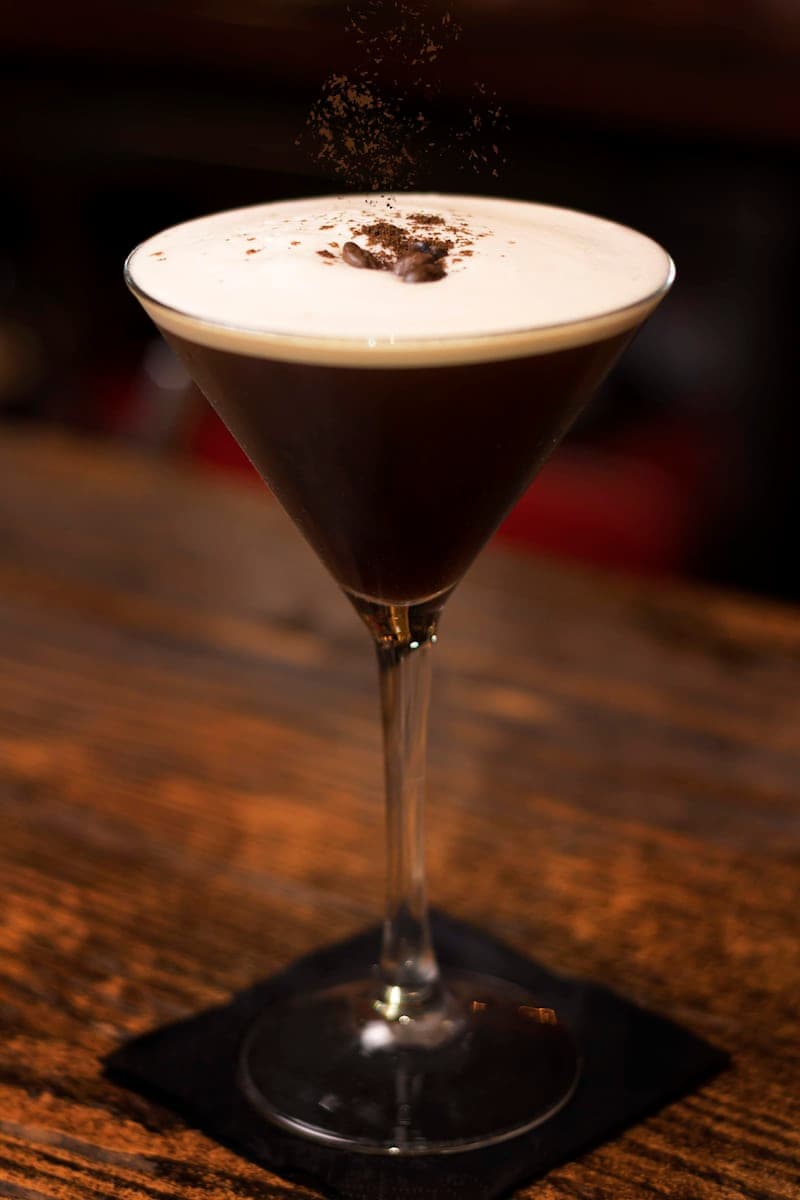
Foam is not just decoration. That pale cap carries coffee aroma, softens the first sip, and gives the classic espresso martini its polished look in the coupe glass. Fresh espresso helps. Cold, hard ice helps. A full, energetic shake helps. Double straining helps keep ice chips and large bubbles out of the finished glass, making the surface look tighter and more even. The foam should not be a thick dessert topping or a gimmick. It should be a fine coffee layer that settles naturally over the dark drink and lasts long enough for the first few sips.
Glassware keeps the moment focused. A chilled coupe is ideal because the drink is served up, without ice, and needs the glass to protect its temperature. A warm coupe steals the best part of the cocktail before it reaches the table. A very large glass can make the pour look thin and warm too quickly. Chill the coupe before you pull the espresso if possible, or fill it with ice water while you build. The finished drink should arrive concise and cold: crema, cold glass, vodka, coffee, and after-dinner momentum in one clean line.
The garnish should stay restrained. Three espresso beans are traditional in many bars, but the drink can also stand with no garnish when the foam is handsome and the coffee aroma is clear. If using beans, place them gently on the surface so they read as a small signal, not a pile of debris. Avoid dusting the drink with so much cocoa or coffee powder that every sip begins gritty. The Espresso Martini already has enough visual authority. The dark body, pale foam, and chilled stem do most of the work.
Common mistakes are easy to diagnose. If the drink tastes thin, the espresso may be stale, the shake may be weak, or the ice may have been soft and wet. If it tastes too sweet, reduce simple syrup first, then consider the coffee liqueur. If it tastes harsh, check the vodka and the espresso roast before blaming the format. If there is no foam, pull a fresher shot, cool it briefly rather than letting it sit, and shake harder with colder ice. If the drink warms in the hand before it is enjoyable, the coupe was not cold enough.
The Espresso Martini fits a specific kind of service context. It is at home after dinner, beside a late dessert, after a long meal when the room is still moving, or as the polished first order at a bar where coffee is treated seriously. It can pair with chocolate, tiramisu, toasted nuts, vanilla, salted caramel, and simple butter cookies, but it does not need a sweet plate to justify itself. The better pairing is often atmosphere: low light, a confident shake from the bar, and the small ceremony of a dark drink settling under foam.
For a reliable home Espresso Martini, treat the recipe like a sequence, not a dump-and-shake shortcut. Chill the coupe. Pull fresh espresso. Let it cool just enough to stop steaming. Measure vodka, coffee liqueur, espresso, and simple syrup. Shake hard with cold ice. Double strain immediately. Garnish with three espresso beans if you like the classic signal. Then drink it while the texture is still tight and the glass is still cold. When the balance is right, the classic Espresso Martini feels sleek without being shallow: coffee-dark, foam-capped, practical, and ready for the next move.
Take it somewhere
Drier
Less syrupReduce or skip the simple syrup when the espresso and liqueur already feel round.
More bitter
Coffee ledUse a drier coffee liqueur or a more structured espresso before increasing the vodka.
No garnish
Clean surfaceSkip the beans when the foam looks tight and aromatic on its own.
Richer coffee
Rounder roastChocolate or nutty espresso notes tend to work better than aggressively bright shots.
Where it goes wrong
Steaming espresso
Hot espresso punishes the ice and makes dilution harder to control. Let it cool briefly.
Weak shake
A polite shake leaves the drink thin and separated. The foam needs force, cold ice, and fresh coffee.
Too much syrup
The drink should be coffee-dark and crisp, not a sweet coffee milkshake without milk.
Questions, answered
Can I use cold brew?
Concentrated cold brew can work in a pinch, but fresh espresso gives better aroma and foam.
Why is there no foam?
The usual causes are stale espresso, wet ice, or a weak shake. Fix those before changing the spec.
Is the vodka supposed to stand out?
No. Vodka gives proof and structure while coffee and liqueur define the drink.
After dinner, still moving
The Espresso Martini works when it feels like a cocktail first and coffee second: cold, structured, aromatic, and gone before the foam gives up.