Savory cocktail recipe
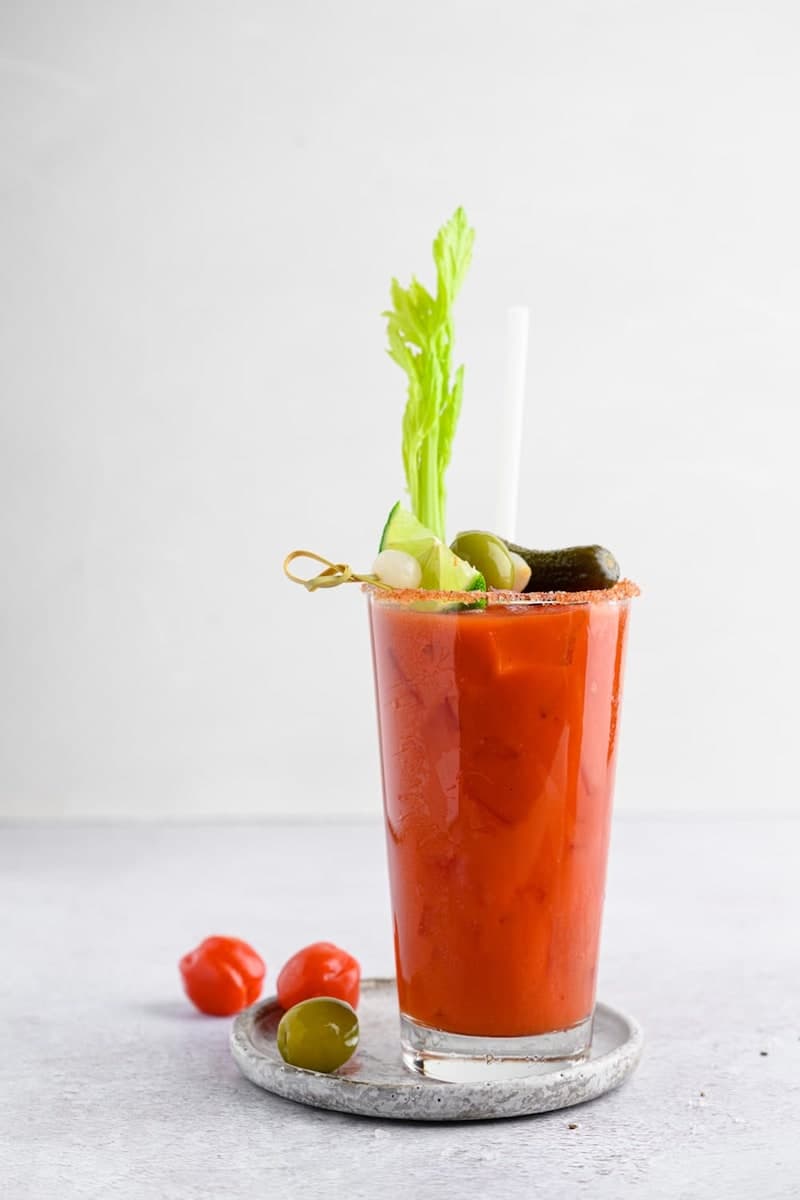
Bloody Mary
Tomato juice, vodka, lemon, Worcestershire, hot sauce, celery salt, pepper, fresh ice, and a useful garnish. The Bloody Mary works when savory balance stays measured.
Recipe tools
The build
Chill and ice the highball
Chill a highball glass if there is time, then fill it with fresh hard ice.
Measure the tomato base
Add vodka, tomato juice, fresh lemon juice, Worcestershire sauce, hot sauce, celery salt, and black pepper to a mixing tin with several cold cubes.
Roll gently
Roll the drink gently between tins three or four times, or stir gently, just until the tomato base is cold and integrated.
3-4 rolls
Strain over fresh ice
Strain into the prepared highball over fresh ice.
Garnish, then taste
Garnish with a celery stalk and lemon wedge, then taste before adding any extra hot sauce, salt, or pepper.
taste cold
Adjust seasoning after chilling, not before. Cold, lemon, and dilution change how salt and heat read in tomato.
Why this spec
A Bloody Mary works when the tomato base has structure before garnish gets involved. Vodka gives the drink a clean spine, tomato juice supplies body, lemon keeps the build from feeling heavy, and measured seasoning turns the glass savory without making it muddy. The goal is not maximum spice or a crowded rim. The goal is a cold tomato cocktail that tastes balanced from the first sip.
The Bar Guru spec keeps the pour tight: one and a half ounces vodka, three ounces tomato juice, a half ounce fresh lemon juice, two dashes Worcestershire, two dashes hot sauce, a pinch of celery salt, and a pinch of black pepper. That ratio keeps tomato in charge while giving vodka enough presence to make the drink read as a cocktail instead of seasoned juice.
Vodka is the right primary spirit here because it stays neutral while still carrying proof and texture. A harsh base will show in the finish, but a clean vodka lets tomato, citrus, salt, pepper, and savory sauce do the visible work. This is not the place for flavored vodka or a bottle that needs a mixer to hide it. The base should be quiet, cold, and steady.
Tomato juice decides the weight of the drink. It should taste bright enough to drink cold and smooth enough to roll without turning grainy. Very thick juice can make the cocktail feel heavy before seasoning arrives, while thin tomato juice can taste watery once ice enters. Measure the tomato base, then let lemon and seasoning sharpen it instead of trying to fix everything with heat.
Fresh lemon is the pressure point. Tomato, Worcestershire, hot sauce, celery salt, and pepper all lean savory, so the lemon has to lift the drink without turning it into a sour. A half ounce is enough to brighten the tomato and clean up the finish. Bottled lemon tastes dull here because there is no sugar or carbonation to distract from it.
The bottle and the rest
Worcestershire and hot sauce should be measured in dashes because they are accents, not the base. Worcestershire adds savor and depth; hot sauce adds heat and vinegar snap. Too much of either flattens the tomato and makes every sip taste the same. Start with the listed dashes, chill the drink, then adjust only after tasting the finished glass cold.
Celery salt and black pepper give the drink its edge. A pinch of celery salt seasons the tomato while reinforcing the celery garnish, and a pinch of freshly ground black pepper adds dry spice without turning the drink fiery. Salt reads differently after dilution, so heavy seasoning before ice is the easiest way to overshoot.
The technique is gentle on purpose. Rolling the drink between tins chills and integrates the tomato mix without the rough foam that hard shaking can create. Stirring gently also works when you want even less motion. The drink needs cold water from ice, but it does not need aeration. Smooth tomato texture is part of the balance.
Fresh hard ice belongs in the glass after the roll. The mixing ice has already chilled and diluted the base, so the finished highball needs fresh ice that will hold temperature without flooding the first minutes. A half-filled glass warms quickly and makes the tomato taste flat. Fill the highball, then strain the rolled drink over it.
Garnish should be useful. A celery stalk gives aroma and a crisp savory cue; a lemon wedge lets the drinker brighten the glass if the tomato or hot sauce reads heavy. Olives or pickled vegetables can be a restrained variation, but the garnish should not become the point of the recipe. If the tomato mix is not balanced, a larger garnish will only make the problem taller.
Within the vodka family, the Bloody Mary is the savory branch. The Cosmopolitan keeps vodka short, shaken, and citrus-led. The Moscow Mule stretches vodka with lime, ginger beer, bubbles, and fresh ice. The Espresso Martini uses vodka to support coffee and foam. The Bloody Mary is different because tomato, citrus, seasoning, dilution, and garnish have to move together without sweetness or carbonation doing the smoothing.
When a Bloody Mary tastes wrong, the fix is usually practical. If it feels heavy, check the lemon and ice. If it tastes flat, check tomato freshness and salt. If it burns without depth, reduce hot sauce and let Worcestershire, pepper, and lemon share the work. If it tastes watery, fill the glass with better ice and roll for less time. The recipe is savory, but it still depends on cocktail fundamentals: measure, chill, dilute, taste, and stop.
Take it somewhere
Hotter
Dash by dashAdd hot sauce one dash at a time after the drink is cold. Heat should sharpen the tomato, not erase it.
More savory
WorcestershireUse one extra dash of Worcestershire when the tomato tastes flat but the spice level is already high enough.
Lemon lift
Fresh squeezeUse the garnish wedge for a small extra squeeze when the glass feels heavy or too salty.
Cleaner garnish
Useful onlyKeep garnish to celery, lemon, or one restrained pickled accent so the tomato mix remains the point.
Where it goes wrong
Over-shaking
Hard shaking tomato juice makes the texture foamy and rough. Roll gently or stir so the drink chills without turning airy.
Seasoning before dilution
Salt and heat read differently once the drink is cold and diluted. Taste after the roll before adding more.
Skipping lemon
Lemon is what keeps tomato, salt, and sauce from tasting heavy. Bottled lemon or no lemon makes the build dull.
Garnish doing the work
Celery and lemon should support the glass. They cannot rescue tomato juice that was under-seasoned, warm, or over-diluted.
Questions, answered
Should a Bloody Mary be shaken?
Roll it gently or stir it. Hard shaking can make tomato juice foamy and rough, while a short roll chills and integrates the seasoning.
How spicy should a Bloody Mary be?
Spice should support the tomato, lemon, and savory seasoning. Start with two dashes of hot sauce, taste the chilled drink, then add heat one dash at a time.
Can I make the tomato mix ahead?
You can combine the tomato juice, lemon, Worcestershire, hot sauce, celery salt, and pepper ahead and keep it cold. Add vodka, roll with ice, and strain over fresh ice to order so dilution stays controlled.
What garnish belongs on a Bloody Mary?
Celery and lemon are enough for the Bar Guru spec. One olive or one small pickled vegetable can work as a variation, but garnish should support the drink instead of replacing balance in the glass.
Savory with structure
The Bloody Mary succeeds when tomato, lemon, vodka, seasoning, ice, and garnish all stay in proportion. Keep the savory path open with the Cosmopolitan, the Moscow Mule, the Espresso Martini, or the wider vodka cocktail guide.